
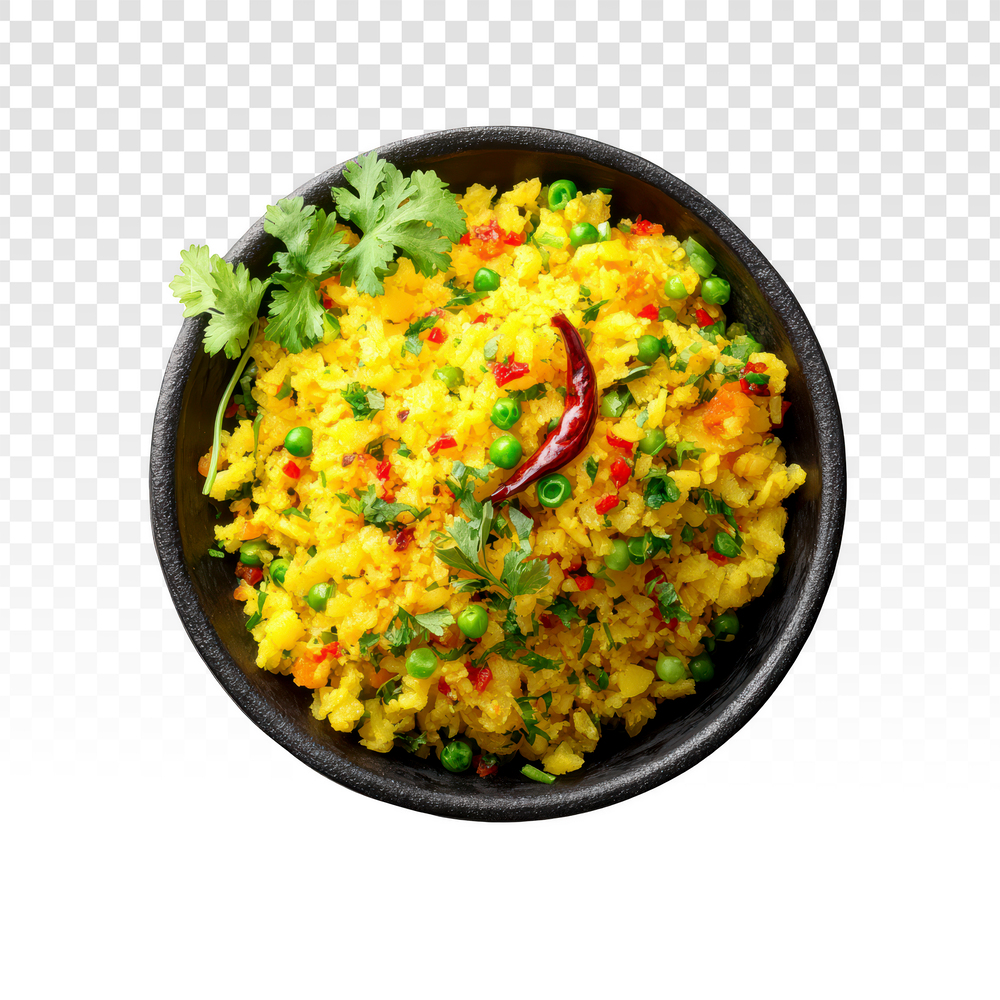
Poha for Weight Loss: A Nutritious Path to Healthy Living
Healthy eating and sustainable weight loss have brought more attention to traditional foods that are both tasty and nutritious. Poha is a simple yet nutritious dish and has always been a part of Indian breakfasts. More than just comfort food, poha for weight loss has gained popularity among health-conscious people and nutritionists. Flattened rice is also known as poha or beaten rice. Poha is light on the stomach and packed with essential nutrients. Whether you’re aiming to shed a few kilos or maintain your current weight, poha offers numerous health benefits that align with your goals.
Read to know about using poha for weight loss, such as its nutritional profile, health benefits, delicious recipes and smart eating habits.
You will understand why more fitness and wellness programs are recommending poha as part of effective weight-loss meal plans.
What is Poha?
Poha is made by flattening dehusked rice, making it quick to cook and easy to digest. These flakes can be eaten raw after soaking in water or milk or cooked in a variety of ways. Poha comes in different varieties, thin, medium, and thick, depending on the pressure applied during processing.
Poha is known for its simplicity in cooking. You can make it sweet or savoury, mild or spicy, plain or loaded with vegetables and sprouts.
Poha is packed with nutrients that promote good health and support weight management.
Is Poha Good for Weight Loss
The answer is yes, poha is good for weight loss. It is low in calories and fat. When prepared with minimal oil and lots of vegetables, poha becomes a balanced, low-glycaemic, high-fiber meal that keeps you full for longer periods. This reduces overall calorie intake.
What makes poha for weight loss so effective is its ability to provide sustained energy without causing sugar spikes. Its high carbohydrate content is largely complex carbs, which release energy slowly and stabilize blood sugar levels.
Poha Nutritional Profile (Per 100g)
| Nutrient | Amount |
| Energy | 333 kcal |
| Carbohydrates | 76.67 grams |
| Protein | 6.67 grams |
| Dietary Fiber | 6.7 grams |
| Fat | 1.14 grams |
| Sodium | 67 mg |
| Potassium | 148 mg |
| Magnesium | 77.92 mg |
| Iron | 1.2 mg |
| Calcium | 10 mg |
| Vitamin B6 | 0.2 mg |
| Folate | 35 mcg |
Poha Benefits for Weight Loss
Poha is an excellent and convenient breakfast. Its easy digestion and rich nutrients make poha a healthy choice for many. Here are some of the major poha benefits for those focusing on weight loss:
1. Low in Calories
A single bowl of vegetable poha has approximately 250 calories, making it a light yet fulfilling meal. This allows you to maintain a calorie deficit without feeling deprived.
2. Rich in Fiber
Dietary fiber plays a crucial role in digestion and satiety. Poha’s high fiber content helps keep you full longer and reduces the urge to snack unnecessarily.
3. Easy to Digest
One of the best things about poha is its light nature. It doesn’t burden your digestive system and is perfect for a morning meal that doesn’t leave you feeling sluggish.
4. Complex Carbohydrates
Unlike simple carbs that cause sugar spikes, poha is made up of complex carbohydrates. These release energy gradually and prevent blood sugar crashes, keeping you energized throughout the day.
5. Low Fat Content
When prepared with minimal oil, poha is naturally low in fat. This aligns well with any low-fat diet plan aimed at shedding extra pounds.
6. Iron-Rich
Poha is a good source of iron, making it a great option for people prone to anemia. A healthy hemoglobin level also improves stamina and energy levels during workouts.
7. Probiotic Nature
Since poha is mildly fermented during its preparation process, it retains good bacteria that promote gut health, digestion, and metabolism, all of which are key to effective weight loss.
Types of Poha for Weight Loss
Different types of poha offer varying nutritional benefits. Choosing the right one can further enhance your weight-loss journey.
Red Rice Poha
Made from red rice, this variant is higher in fiber and antioxidants. It contains anthocyanins that help burn fat faster and improve metabolism.
White Poha
This is the most common type and still a healthy option when paired with the right ingredients like vegetables, sprouts, and herbs. Although slightly lower in fiber than red rice poha, it remains a viable choice for a weight-loss diet.
How to Make Poha for Weight Loss
The key to maximizing the health benefits of poha lies in the way you prepare it. Here’s a step-by-step guide on how to make poha for weight loss using healthy and wholesome ingredients.
Healthy Vegetable Poha Recipe
Ingredients:
- 1 to 2 cups poha (preferably red rice poha)
- 1 tbsp olive oil
- 1 medium onion, chopped
- ¼ cup carrots, diced
- ¼ cup capsicum, chopped
- ¼ cup green peas
- ¼ cup potatoes (optional)
- ½ cup sprouts (moong or mixed)
- 1 tsp mustard seeds
- ½ tsp cumin seeds
- ½ tsp turmeric powder
- Curry leaves, green chillies, grated ginger, garlic (to taste)
- Salt to taste
- Roasted peanuts
- Fresh coriander and lemon juice for garnish
Preparation:
- Rinse poha under running water. Let it sit in a colander for 5 to 10 minutes to soften.
- Heat olive oil in a non-stick pan. Add mustard and cumin seeds.
- Once they splutter, add chopped onion, ginger, garlic, and green chilies.
- Add all the chopped vegetables and sauté for 5 to 7 minutes.
- Mix in the turmeric powder, salt, and sprouts.
- Add poha and combine well. Cook for another 4 to 5 minutes on low flame.
- Turn off the heat. Add roasted peanuts, lemon juice, and garnish with coriander leaves.
Other Healthy Poha Variants
Poha Salad
Toss cooked poha with raw vegetables like cucumber, tomatoes, bell peppers, and lemon juice. A refreshing snack loaded with fiber and nutrients.
Dry Fruit Poha
Roast poha with a mix of almonds, walnuts, and pumpkin seeds. It makes a tasty trail mix for on-the-go snacking without guilt.
Poha Chaat
Dry roast poha, mix with boiled corn, onions, chaat masala, and lemon juice. Perfect for a tangy, satisfying evening bite.
Best Time to Eat Poha for Weight Loss
The best time to consume poha is during breakfast. It provides a steady stream of energy to kickstart your day and helps control hunger hormones. It’s also suitable as a light evening snack. Avoid having poha late at night to maintain your metabolic rhythm and support better digestion.
Poha Calories According to Portion Size
| Serving Size | Calories |
| 1 Bowl Poha (139g) | 149 kcal |
| 1 Plate Onion Poha | 180 kcal |
| 2 Cups Poha (278g) | 310 kcal |
| 1 Cup Poha Mixture | 345 kcal |
Adjust your portion based on your dietary requirements, ensuring that your total caloric intake stays within your daily goal.
Tips to Maximise Weight Loss with Poha
- Use minimal oil: Choose healthier oils like olive or cold-pressed mustard oil.
- Load it with veggies: The more fiber and nutrients, the better the satiety.
- Watch your portions: Even healthy food can contribute to weight gain if overeaten.
- Pair with protein: Add sprouts or tofu to boost protein intake.
- Avoid deep-fried versions: Stay away from poha mixtures and fried snacks.
Cost-Effectiveness of Poha as a Weight Loss Food
One of the unsung advantages of using poha for weight loss is its affordability. Compared to trendy health foods and supplements, poha is cost-effective and easily available in any grocery store.
For a fraction of the price of exotic grains or diet-specific ingredients, poha delivers similar, if not superior, health benefits. This makes it a sustainable choice for people from all walks of life looking to eat healthy without burning a hole in their pockets.
Poha for Sustainable Weight Loss
Poha is a delicious, easy-to-make, and nutrition-rich dish that fits seamlessly into weight loss meal plans. Its low calorie, high fiber, and probiotic nature make it an ideal breakfast or snack option for those aiming to shed extra kilos while staying nourished and energetic.
Whether you’re a beginner or a seasoned dieter, incorporating poha in your daily routine can make your journey to wellness more achievable and enjoyable.
If you’re still wondering whether poha for weight loss is worth considering, rest assured, it absolutely is. Just remember to pair it with a balanced diet, regular exercise, and mindful eating habits for the best results.
Why Choose Labelle for Your Weight Loss Journey?
While diet forms the foundation of any weight loss journey, professional guidance amplifies your success. At Labelle weight loss clinic, expert consultants and personalized programs ensure your nutritional and lifestyle habits align with your body’s unique needs.
If you’re looking to integrate foods like poha effectively into your weight loss routine, Labelle’s holistic approach provides the structure, support, and science-backed strategies you need.
Start your transformation today. Book your consultation with Labelle for a healthier, fitter tomorrow.
FAQs
1. Can poha really help with weight loss?
Yes, poha is low in calories and fat, high in fiber, and contains complex carbohydrates that provide sustained energy, making it ideal for weight management when consumed in moderation and prepared healthily.
2. What is the best time to eat poha for weight loss?
The best time to eat poha is during breakfast or as a light evening snack. It provides energy early in the day and helps prevent overeating later.
3. Is red rice poha better than white poha for weight loss?
Red rice poha contains more fiber and antioxidants than white poha, making it slightly better for weight loss. However, both can be healthy choices when combined with vegetables and minimal oil.
4. How many calories are in one bowl of poha?
A standard bowl (approx. 139g) of poha contains about 149 to 250 calories, depending on the ingredients used.
5. Can I eat poha every day as part of my weight-loss plan?
Yes, you can eat poha daily if it’s balanced with vegetables, healthy fats, and lean proteins. Watch portion sizes and avoid high-fat or fried versions.
6. Is poha suitable for people with diabetes or PCOS?
Yes, due to its low glycaemic index and complex carbs, poha is suitable for people managing diabetes or PCOS, especially when paired with fiber-rich veggies and lean protein.
7. How do I make poha more filling for longer-lasting satiety?
Add sprouts, paneer, tofu, or nuts to increase protein and fiber. This enhances satiety and keeps you full longer.
8. Is store-bought poha mixture good for weight loss?
No, store-bought or deep-fried poha mixtures are often high in fat, salt, and preservatives. They’re not ideal for weight loss.
9. Can poha be eaten raw or only cooked?
Poha can be eaten raw after soaking in water or milk (as in chivda or poha salad) or cooked with vegetables and spices.
10. How does poha compare to other Indian breakfast items for weight loss?
Poha is generally lighter, less oily, and easier to digest compared to options like parathas, puris, or dosas. It’s often a healthier choice when made right.