
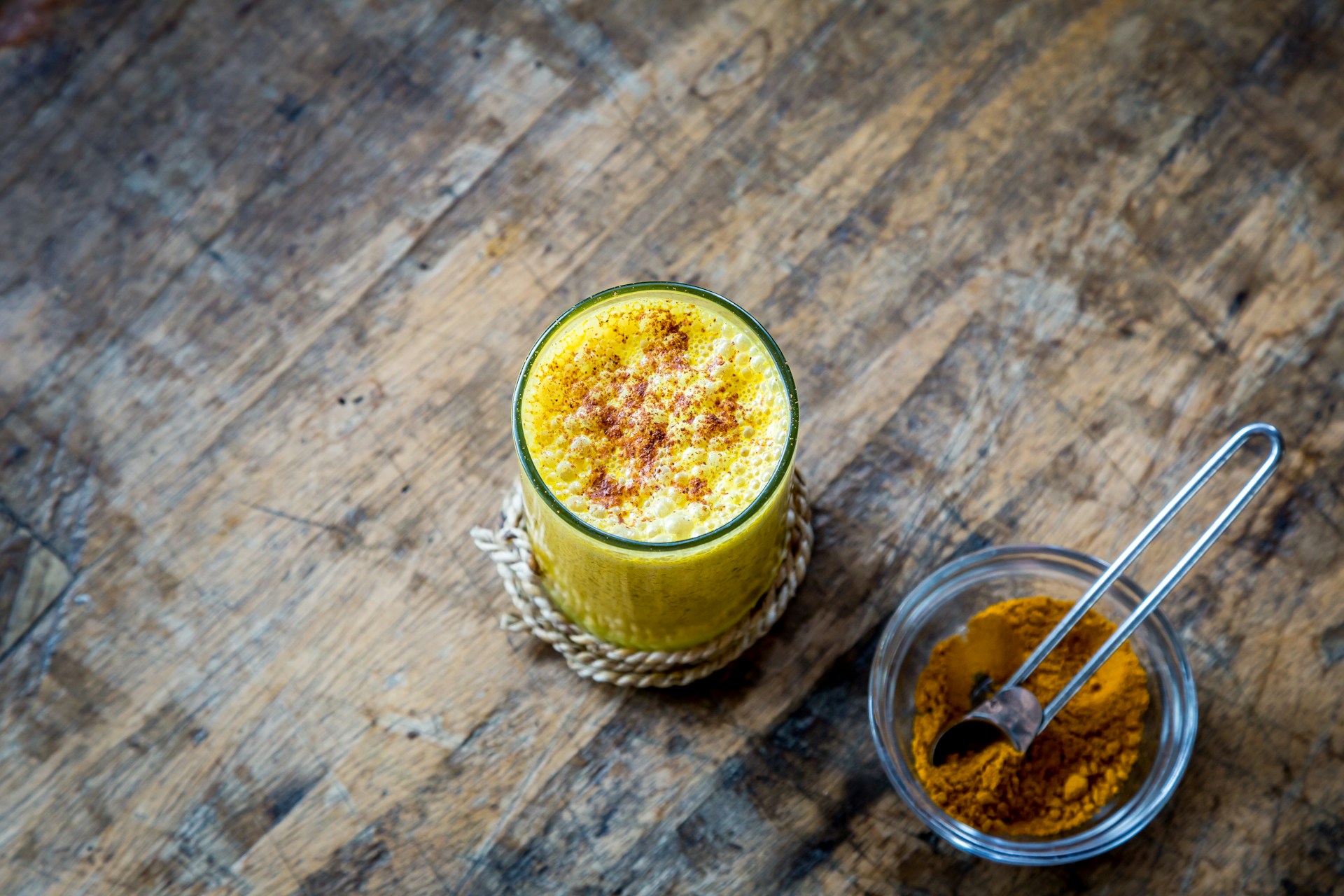
Turmeric Milk Benefits for Skin: Achieve a Healthy Glow
Looking after your skin doesn’t stop with the products you apply. Everyday food choices can also play a role, and turmeric milk is one drink that’s often linked to skin health.
Made with warm milk and turmeric, this traditional drink has become a popular addition to many wellness routines because of its nutritional value and naturally occurring plant compounds. Among the many turmeric milk benefits for skin, its potential to support healthy-looking skin has attracted growing interest.
While it isn’t a substitute for a balanced diet or a consistent skincare routine, enjoying turmeric milk regularly may complement an overall healthy lifestyle.
Is Turmeric Milk Good for Your Skin?
Turmeric milk can be a beneficial addition to your diet if you’re looking to support healthy skin naturally. The combination of turmeric and milk provides nutrients that work together to nourish the body from within.
Curcumin, the primary active compound in turmeric, has been widely studied for its antioxidant properties. Antioxidants help protect skin cells from damage caused by free radicals, which are unstable molecules produced through pollution, UV exposure, and everyday metabolic processes. Reducing oxidative stress may contribute to healthier-looking skin over time.
Milk also plays an important role. It supplies protein, calcium, vitamin D, and vitamin B12, nutrients that support tissue repair and overall body function. Since healthy skin depends on proper nutrition, these nutrients indirectly contribute to maintaining a smooth and resilient complexion.
Key Nutrients in Turmeric Milk
The nutritional content of turmeric milk varies depending on the type of milk used and any additional ingredients. The following values are approximate for one cup (240 ml) prepared with dairy milk and half a teaspoon of turmeric.
| Nutrient | Approximate Amount |
| Calories | 140 to 160 kcal |
| Protein | 7 to 8 g |
| Carbohydrates | 12 to 14 g |
| Fat | 5 to 7 g |
| Calcium | 300 mg |
| Vitamin D | 100 IU |
| Potassium | 320 mg |
| Magnesium | 25 mg |
| Vitamin B12 | 1 mcg |
| Curcumin | Varies depending on turmeric quantity |
Each nutrient contributes to overall health, while turmeric adds naturally occurring plant compounds that support the body’s defence against oxidative stress.
How Turmeric Milk Supports Healthy Skin
Turmeric milk supports skin health by nourishing the body from within. Unlike creams and serums that work on the surface of the skin, the nutrients in turmeric and milk are absorbed by the body, where they help support overall wellness. Over time, a nutrient-rich diet can contribute to healthier, more radiant-looking skin.
Rich in Antioxidants
Environmental pollutants, ultraviolet rays, and daily stress expose the body to free radicals. These unstable molecules can damage skin cells and contribute to dullness and premature signs of ageing. Curcumin helps neutralise free radicals, supporting the body’s natural defense mechanisms.
Helps Manage Inflammation
Inflammation plays a role in many common skin concerns, including occasional redness and irritation. Turmeric contains naturally occurring compounds that may help support a healthy inflammatory response when included as part of a balanced diet.
Supports Collagen Formation
Healthy collagen is essential for maintaining skin firmness and elasticity. While turmeric itself does not directly create collagen, its antioxidant properties help protect collagen from oxidative damage. Protein present in milk also provides amino acids required for tissue maintenance.
Provides Essential Nutrients
Milk delivers nutrients that contribute to normal cell function and repair. Calcium, protein, and vitamins help support the body’s natural renewal processes, including those involving the skin.
Top Benefits of Drinking Turmeric Milk at Night
1. Helps Promote a Natural Glow
One of the most appreciated benefits of turmeric milk is its ability to support a naturally radiant complexion. Oxidative stress and inflammation can make the skin appear tired and uneven. By supplying antioxidants and essential nutrients, turmeric milk may help improve the skin’s overall appearance when consumed regularly as part of a healthy lifestyle.
A glowing complexion is often associated with adequate hydration, balanced nutrition, and proper sleep. Turmeric milk complements these habits rather than replacing them.
2. May Help Reduce the Appearance of Blemishes
Occasional breakouts can leave behind marks that take time to fade. Curcumin’s antioxidant properties may help support the skin’s natural healing process, while proper nutrition provides the building blocks needed for skin renewal.
3. Supports Skin Hydration from Within
Hydrated skin doesn’t rely solely on moisturisers. Internal hydration and nutrition are equally important.
Milk contains water, protein, and minerals that help maintain normal body functions. Drinking sufficient fluids throughout the day, along with nutrient-rich beverages like turmeric milk, supports overall hydration, which may reflect positively on the skin’s texture and softness.
4. Helps Protect Against Environmental Stress
Daily exposure to pollution, sunlight, and environmental toxins places stress on skin cells. Antioxidants found in turmeric help combat oxidative damage, supporting healthier-looking skin over time.
Pairing antioxidant-rich foods with a balanced diet offers greater long-term benefits than relying on a single ingredient alone.
5. May Support More Even-Looking Skin
Skin tone can appear uneven due to several factors, including sun exposure, post-inflammatory marks, and environmental damage.
One of the reasons turmeric milk is valued in traditional wellness practices is its antioxidant content. While it won’t change your natural skin tone, regular consumption may help your skin look healthier, smoother, and more radiant over time.
6. Contributes to Healthy Skin Ageing
As we age, collagen production naturally declines, leading to reduced skin firmness and the appearance of fine lines.
The combination of antioxidants from turmeric and protein from milk supports overall skin health. Protecting existing collagen from oxidative damage may contribute to healthier ageing, especially when combined with sun protection and a nutritious diet.
7. May Help Calm Skin Prone to Redness
Redness and sensitivity can occur for various reasons, including environmental exposure, dehydration, or temporary skin irritation. While turmeric milk is not a medical treatment for skin conditions, its naturally occurring anti-inflammatory compounds may help support the body’s normal inflammatory response.
A nutrient-rich diet that includes antioxidant-containing foods and beverages may contribute to maintaining calm, healthy-looking skin over time.
8. Supports the Skin’s Natural Repair Process
Your skin constantly renews itself by replacing old cells with new ones. This process depends on adequate nutrition, hydration, and quality sleep.
Milk provides protein, which contains amino acids essential for tissue maintenance. Turmeric complements these nutrients with plant compounds that help protect cells against oxidative stress. Together, they create a nourishing beverage that supports overall skin wellness from within.
9. Helps Maintain Skin Elasticity
Firm, supple skin depends largely on collagen and elastin, two proteins naturally found in the skin. Although collagen production gradually decreases with age, lifestyle choices can influence how well your skin maintains its structure.
A balanced diet rich in protein, antioxidants, vitamins, and minerals supports collagen maintenance. Regularly enjoying turmeric milk alongside other healthy foods may help preserve skin elasticity as part of an overall wellness routine.
10. Supports Healthy Skin During Seasonal Changes
Changes in weather often affect the skin. Cold air may leave the face feeling dry, while hot and humid conditions can make skin appear oily or irritated.
Nourishing your body with wholesome foods and beverages helps your skin adapt to seasonal changes. Turmeric milk offers hydration along with nutrients that contribute to maintaining healthy skin throughout the year.
11. May Help Reduce the Effects of Oxidative Stress
Every day, your skin is exposed to factors such as pollution, UV radiation, and lifestyle-related stress. These factors increase oxidative stress, which may accelerate visible signs of ageing.
Curcumin acts as an antioxidant by helping neutralise free radicals before they can damage healthy cells. This protective effect is one of the reasons turmeric continues to be valued in traditional wellness practices.
12. Encourages Overall Wellness That Reflects on the Skin
Healthy skin rarely depends on one ingredient alone. It reflects your overall health, including nutrition, hydration, sleep quality, and stress management.
One of the important benefits of turmeric milk is that it supports overall wellness rather than focusing only on the skin. When your body receives essential nutrients consistently, your complexion often appears healthier as a result.
How to Prepare Turmeric Milk at Home
Making turmeric milk is simple and requires only a few everyday ingredients.
Ingredients
- 1 cup milk (dairy or plant-based)
- ½ teaspoon turmeric powder or freshly grated turmeric
- A pinch of black pepper
- ½ teaspoon honey (optional)
- A small piece of ginger (optional)
- A pinch of cinnamon (optional)
Method
- Pour the milk into a saucepan and heat it over medium flame.
- Add turmeric and stir continuously to avoid lumps.
- Mix in black pepper, which may help improve the absorption of curcumin.
- Add ginger or cinnamon if desired for additional flavour.
- Allow the mixture to simmer gently for 3 to 5 minutes.
- Remove from heat and strain if using fresh turmeric or ginger.
- Stir in honey after the milk cools slightly, then drink it warm.
Tips to Maximise the Skin Benefits of Turmeric Milk
- Stay well hydrated: Drink enough water throughout the day to help keep your skin hydrated and healthy.
- Eat a balanced diet: Include fruits, vegetables, whole grains, and lean proteins to support overall skin health.
- Protect your skin from the sun: Apply sunscreen daily to reduce UV damage and premature skin ageing.
- Follow a consistent skincare routine: Cleanse, moisturise, and protect your skin regularly for the best results.
- Get enough sleep: Aim for 7 to 9 hours of quality sleep each night to support your skin’s natural repair process.
- Exercise regularly: Physical activity improves blood circulation, helping deliver nutrients to skin cells.
- Manage stress: Simple stress-management practices like meditation or deep breathing can help maintain healthy-looking skin.
Are There Any Side Effects of Drinking Turmeric Milk?
Turmeric milk is generally safe when consumed in moderation. However, excessive intake may cause digestive discomfort, including bloating or acid reflux.
People with gallstones, bleeding disorders, kidney stones, or those taking blood-thinning medications should consult a healthcare professional before consuming it regularly. Lactose-intolerant individuals can opt for plant-based milk alternatives.
Common Misconceptions About Turmeric Milk for Skin
Turmeric milk is often praised for its potential skin benefits, but it’s important to separate facts from unrealistic expectations.
- It won’t clear acne overnight. Healthy skin takes time, and breakouts are influenced by several factors, including hormones, diet, and genetics.
- More isn’t always better. Drinking excessive amounts of turmeric milk won’t speed up results and may cause digestive discomfort.
- It isn’t a replacement for skincare. Cleansing, moisturising, and daily sun protection remain essential for maintaining healthy skin.
- Results vary from person to person. Your diet, sleep, hydration, and overall lifestyle all play a role in how your skin looks and feels.
Best Time to Consume Turmeric Milk for Skin
Turmeric milk can be enjoyed at any time of the day, depending on your routine. Some people include it in their evening routine, while others prefer it in the morning. The key is to drink it consistently as part of a balanced diet, rather than focusing on a specific time of day.
Lifestyle Habits That Complement Turmeric Milk
Healthy skin is influenced by your daily habits as much as your diet. Pairing turmeric milk with these simple practices can help support overall skin health.
- Eat antioxidant-rich foods: Include fruits, vegetables, nuts, and seeds to provide nutrients that support healthy skin.
- Stay physically active: Regular exercise improves blood circulation, helping deliver oxygen and nutrients to skin cells.
- Manage stress: Relaxation techniques like yoga, meditation, or deep breathing can help reduce stress-related skin concerns.
- Prioritise quality sleep: Aim for 7 to 9 hours of sleep each night to support the skin’s natural repair process.
- Stay hydrated: Drink plenty of water throughout the day to help maintain healthy, hydrated skin.
Turmeric Milk: A Natural Addition to Your Wellness Routine
Turmeric milk has remained a trusted traditional beverage for generations because of its nutritional value and potential wellness-supporting properties. Rich in antioxidants and combined with the nourishing qualities of milk, it can be a valuable addition to a balanced lifestyle that promotes healthy skin.
Although it should not be viewed as a substitute for medical treatment or a dedicated skincare routine, regular consumption alongside healthy habits may contribute to a brighter, healthier-looking complexion over time.
Frequently Asked Questions
1. Is turmeric milk good for all skin types?
Yes. Since turmeric milk works by supporting overall health rather than acting directly on the skin, it may be suitable for people with dry, oily, combination, or normal skin. Individual results can vary depending on lifestyle and overall nutrition.
2. How long does it take to notice improvements in skin?
There is no fixed timeline. Skin health depends on many factors, including diet, hydration, sleep quality, and genetics. Consistency over several weeks is generally more important than expecting immediate changes.
3. Can turmeric milk reduce dark spots?
Turmeric contains antioxidant compounds that support the skin’s natural renewal process. While it may help promote a healthier-looking complexion, it should not be considered a treatment for pigmentation or dark spots.
4. Should I drink turmeric milk every day?
For most healthy adults, one cup a day can be included as part of a balanced diet. If you have underlying medical conditions or take medications, consult your healthcare provider before making it a daily habit.
5. Can turmeric milk improve skin hydration?
Proper hydration depends on overall fluid intake and nutrition. Turmeric milk contributes fluids and nutrients that support general wellness, which may help maintain healthy-looking skin.
6. Can I add other ingredients to turmeric milk?
Yes. Many people add black pepper, ginger, cinnamon, or honey to enhance flavour. Black pepper is commonly included because it may improve curcumin absorption.
7. Is turmeric milk suitable before bedtime?
Many people enjoy a warm cup in the evening as part of a relaxing routine. If dairy suits your digestion, it can be a comforting beverage before sleep.