
Pigmentation on Nose: Causes, Types, Treatments
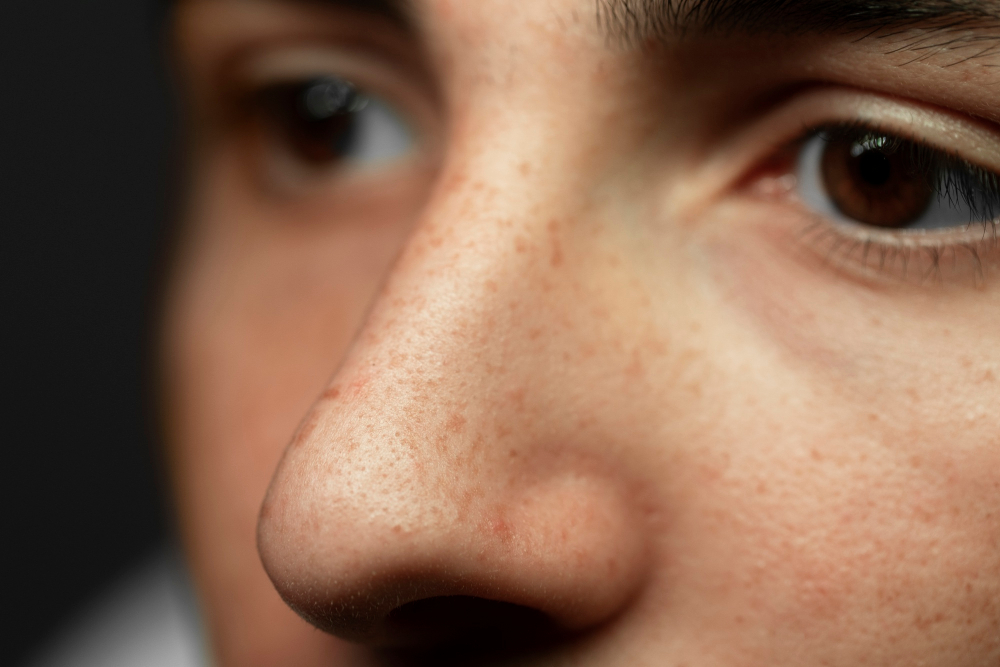
A dark patch on the nose is often more noticeable than pigmentation on other parts of the face. Since the nose is constantly exposed to sunlight, it is one of the first areas where changes in skin colour can appear. Some people notice a few dark spots on nose, while others develop brown or black patches that become more visible over time.
Pigmentation on nose develops when the skin produces excess melanin, the natural pigment that gives skin its colour. While sun exposure is one of the most common triggers, hormonal changes, acne marks, ageing, genetics and repeated skin irritation can also contribute to uneven pigmentation.
Although the condition is usually harmless, persistent pigmentation may require professional treatment. Understanding its cause can help you choose the most suitable approach to manage it effectively.
What Does Pigmentation on the Nose Mean?
Melanin is the natural pigment that gives our skin its colour and provides some protection against sun damage. When the skin starts producing excess melanin in one area, it can cause uneven darkening. This is known as hyperpigmentation and often appears as brown or greyish patches on the nose.
On the nose, this excess pigment may appear as:
- Small brown or grey spots
- Uneven skin tone
- Flat dark patches
- Localised discoloration around the bridge or sides of the nose
- Pigmentation following acne or skin injury
For some people, the colour change is barely noticeable, while for others it can appear as distinct dark patches. Sun exposure may make the pigmentation look darker over time. Finding the underlying cause helps determine the most suitable treatment.
Signs and Symptoms to Watch For Pigmentation on Nose
Pigmentation around the nose does not look the same in every person. The appearance often depends on the underlying cause and skin type.
Some common signs include:
- Brown, grey or black patches on or around the nose
- Uneven skin tone
- Flat areas of discoloration without swelling
- Pigmented marks following acne breakouts
- Darkening that becomes more noticeable after spending time outdoors
- Pigmentation affecting only one side or both sides of the nose
The discolouration may not always stay limited to the nose. Over time, it can also appear on the cheeks, forehead or upper lip, especially if it is linked to melasma or years of sun exposure.
Reasons Behind Nose Pigmentation
Pigmentation around the nose doesn’t develop without a reason. In most cases, it happens because the skin starts producing more melanin than usual. This increase can be triggered by everyday factors such as sunlight, acne, ageing, or even certain medications. In some people, hormones or genetics also play a role.
Sun Exposure
The nose is one of the first parts of the face to receive direct sunlight, which is why pigmentation often develops here before it appears elsewhere. Regular exposure to UV rays encourages the skin to produce more melanin to protect itself. Over time, this extra pigment builds up, leaving behind uneven skin tone or darker patches, especially if sunscreen isn’t used consistently.
Hormonal Changes
Hormones can have a noticeable effect on the way the skin produces pigment. During pregnancy, menopause or while taking hormonal medications such as birth control pills, some people develop darker patches on the face. This condition, known as melasma, commonly affects the nose, cheeks, forehead and upper lip.
Ageing
Pigmentation often becomes more noticeable with age. Years of sun exposure gradually affect the skin, leading to brown spots and uneven skin tone. These changes usually begin after age 40, although they may develop earlier in people who spend a lot of time outdoors.
Genetics
Sometimes, pigmentation simply runs in the family. If your parents or siblings have freckles, melasma or other forms of facial pigmentation, you may also be more likely to develop similar changes over time.
Post-Inflammatory Hyperpigmentation
Sometimes, pigmentation appears after the skin has healed. A pimple, a small cut, an allergic reaction or even irritation caused by harsh skincare products can leave a dark mark behind. As the skin heals, it may produce more melanin than usual, leaving behind a darker mark. Although these marks usually fade gradually, they can take several months to improve.
Certain Medications
Certain medications can make your skin more sensitive to sunlight, making it easier for pigmentation to develop after sun exposure. This is seen with certain antibiotics, hormonal medications and chemotherapy drugs. Protecting the skin from the sun becomes even more important while taking these medicines.
Skin Irritation
Repeated rubbing of the nose, over-exfoliating or using products that don’t suit your skin can weaken the skin barrier and trigger inflammation. As the skin heals, excess melanin may be produced, resulting in pigmentation that lingers long after the irritation has settled.
Different Types of Pigmentation Seen on the Nose
Not every type of pigmentation develops for the same reason. A dermatologist first identifies the specific condition before recommending treatment.
Melasma
Melasma is a common type of pigmentation that appears as brown or greyish patches on sun-exposed areas of the face, including the nose. It is often linked to hormonal changes, which is why it is frequently seen during pregnancy.
Other factors, such as hormonal imbalances, the use of oral contraceptives and regular sun exposure, can also trigger or worsen melasma. Without proper sun protection, these patches may become darker over time.
Sunspots (Solar Lentigines)
These flat brown spots develop after years of UV exposure. Unlike freckles, they do not fade during winter and usually become more noticeable with age.
Post-Inflammatory Hyperpigmentation
Once the affected skin heals, it may leave behind dark pigmentation in the area. Unlike melasma, PIH usually follows acne, burns, allergic reactions or trauma.
Freckles
Freckles are small pigmented spots that often have a genetic component. They usually darken with sun exposure and lighten during periods of reduced UV exposure.
How Do Dermatologists Diagnose Pigmentation?
Diagnosing pigmentation begins with a detailed skin examination and a discussion about your medical history. This helps the dermatologist identify the type and cause of the pigmentation so they can recommend the most suitable pigmentation on nose treatment.
During the consultation, the dermatologist may evaluate:
- Duration of pigmentation: They will ask when you first noticed the pigmentation and whether it has remained the same, gradually darkened, or spread to other areas over time.
- Medical history: Existing health conditions, especially those that affect the skin or hormones, can provide valuable clues about the underlying cause of pigmentation.
- Family history: If close family members have melasma, freckles or other pigmentation disorders, genetics may also be contributing to your skin changes.
- Medication use: The dermatologist will review any prescription or over-the-counter medications you are taking, as some medicines can increase the skin’s sensitivity to sunlight and trigger pigmentation.
- Hormonal conditions: The dermatologist may ask about pregnancy, menopause, thyroid disorders or other hormonal changes, as these can contribute to facial pigmentation.
- Previous skin treatments: Information about chemical peels, laser procedures, topical creams or home remedies you’ve already tried helps determine what has worked and what should be avoided.
- Lifestyle habits: Daily sun exposure, sunscreen use, skincare routine and even occupational exposure to sunlight are considered, as these factors can influence the development and recurrence of pigmentation.
How Is Nose Pigmentation Treated?
The treatment for nose pigmentation depends on what is causing it. While some people respond well to medicated creams, others may need procedures such as chemical peels or laser treatment to see visible improvement. A dermatologist will recommend the most suitable option after assessing your skin.
Topical Medications
Prescription creams are usually the first step for mild pigmentation. Depending on your skin condition, your dermatologist may prescribe ingredients such as hydroquinone, azelaic acid, kojic acid, retinoids, niacinamide, vitamin C or tranexamic acid. These ingredients work by reducing excess melanin production and gradually fading pigmentation. Since some of these medications are quite potent, they should only be used as directed by a dermatologist.
Chemical Peels
Chemical peels help remove the outer layer of damaged skin where excess pigment has accumulated. As fresh skin replaces the old layer, the pigmentation gradually becomes less noticeable. The type and strength of peel are selected based on your skin type and the depth of pigmentation. Most people need a series of sessions rather than a single treatment.
Laser Treatment
When pigmentation is deeper or has not improved with creams, laser treatment may be recommended. Q-switched and other pigment-specific lasers break down excess melanin without affecting the surrounding skin. The body naturally clears these pigment particles over the following weeks, leading to a more even skin tone. Results usually improve gradually, so more than one session may be required.
Microneedling
Microneedling may be suggested for selected cases of pigmentation, particularly when uneven skin texture is also a concern. Tiny needles create controlled micro-injuries in the skin, encouraging repair while improving the absorption of prescription depigmenting solutions. Over time, this can help improve both skin texture and overall skin tone.
Combination Treatment
In many cases, a combination of treatments delivers better results than a single procedure. For example, a dermatologist may recommend prescription creams before or after laser sessions or combine chemical peels with a customised skincare routine. The choice of treatment depends on what is causing the pigmentation and how your skin responds during the course of treatment.
Can Pigmentation on the Nose Be Prevented?
Although some forms of pigmentation are influenced by genetics or hormonal changes, many cases can be reduced by adopting preventive measures.
Some effective preventive strategies include:
- Apply a broad-spectrum sunscreen with SPF 30 or higher every day.
- Wear hats or use umbrellas during prolonged outdoor activities.
- Avoid excessive sun exposure, especially during peak UV hours.
- Make it a habit to reapply sunscreen every two to three hours while outdoors.
- Avoid picking acne or scratching healing skin.
- Choose products that support your skin without irritating it.
- Seek early treatment for acne and inflammatory skin conditions.
- Follow your dermatologist’s advice regarding prescription skincare.
Many people looking for how to remove pigmentation from nose focus only on treatments, but daily sun protection is equally important to prevent pigmentation from coming back.
When Should You Seek Treatment for Nose Pigmentation?
Most cases of nose pigmentation are harmless. However, it is best to see a dermatologist if the pigmentation changes or does not improve with time. Consult a dermatologist if you experience any of the following:
- The pigmentation starts spreading to other areas of the face.
- New patches appear without any obvious trigger.
- The existing pigmentation changes in colour, shape or size.
- The affected area becomes itchy, painful, bleeds or shows signs of irritation.
- The pigmentation remains unchanged despite following a proper skincare routine and regular sun protection.
- The pigmentation returns even after it has been treated.
A dermatologist can identify the cause of the pigmentation and recommend the pigmentation treatment best suited to your skin and the type of pigmentation.
Managing Nose Pigmentation the Right Way
Pigmentation on the nose can have different causes, and treating it starts with understanding why it has developed. Instead of trying multiple products on your own, seek advice from an experienced dermatologist if the pigmentation persists or worsens.
The right treatment, combined with good sun protection and consistent skincare, can help improve skin tone and keep future pigmentation under control.
Frequently Asked Questions
1. Is pigmentation on the nose permanent?
No. Many forms of pigmentation improve with professional treatment, sun protection and consistent skincare. The outcome depends on the underlying cause and how early treatment begins.
2. Can sun exposure make nose pigmentation worse?
Yes. Ultraviolet rays stimulate melanin production, causing existing pigmentation to darken and increasing the risk of developing new pigmented areas.
3. Which treatment works best for nose pigmentation?
The ideal treatment varies depending on the type and depth of pigmentation. Topical medications, chemical peels and laser therapy are among the most commonly recommended options.
4. Does pigmentation return after treatment?
It can return if the underlying cause, such as excessive sun exposure or hormonal imbalance, is not managed. Regular sunscreen use and maintenance skincare help reduce recurrence.
5. Is laser treatment safe for nose pigmentation?
When performed by a qualified dermatologist using appropriate technology, laser treatment is considered a safe and effective option for many pigmentation concerns.
6. Can hormonal changes cause pigmentation around the nose?
Yes. Hormonal fluctuations during pregnancy, menopause or while taking certain medications can contribute to increased melanin production, leading to facial pigmentation.
7. Are chemical peels painful?
Most patients experience only mild tingling or a temporary burning sensation during the procedure. Recovery is usually quick when performed under professional supervision.
Note : Image by magnific