
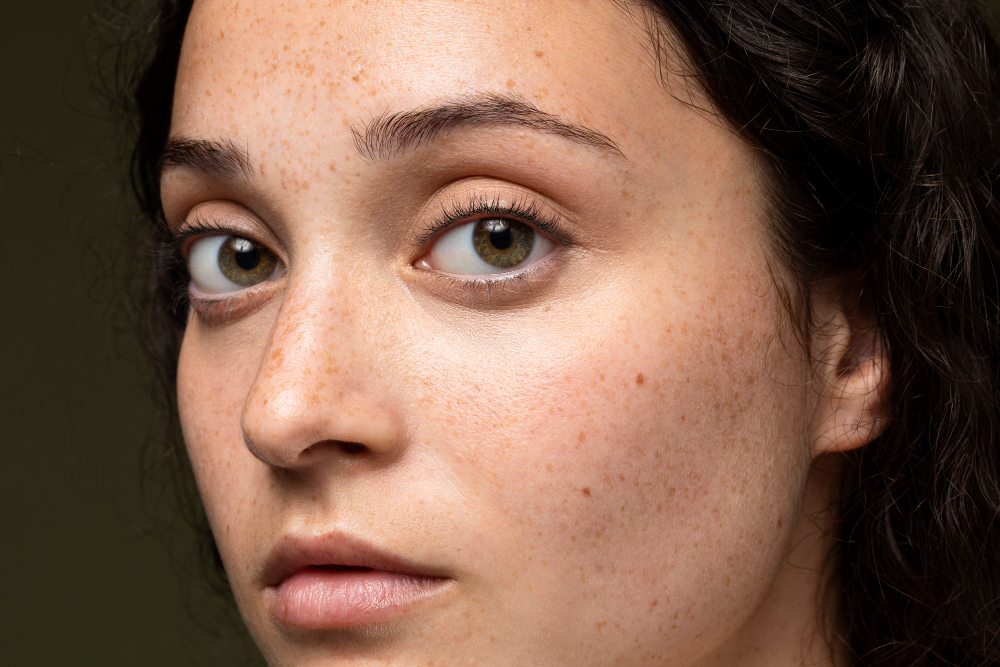
Tiny Black Dots on Face & Skin: Types, Treatments & Tips
When you first notice the tiny black dots on face, it is natural to feel alarmed or puzzled. These are spots that can also show up on the chin, forehead, cheeks and nose and differ greatly in colour, density and size. At first glance, these spots might appear the same, but medically, they take place due to different causes. Some stand out as normal skin features, others can be a sort of acne, and several of them could be signs that need immediate medical attention. This blog explains the tiny dots that appear on the face, how to differentiate between the common types, treatment options and prevention tips.
What are the Tiny Black Dots On the Face?
When people notice the tiny black dots on face, they immediately assume them to be sebaceous filaments and blackheads. Both of them look similar but have different implications and causes. Here is a brief explanation of both of them:
Blackheads (The Classic Acne Feature)
Blackheads are a type of acne, which is known as open comedones. They take place when the hair follicles are clogged with too much sebum (the natural oil of the skin), bacteria and dead skin cells.
The top section of the pore remains open, and the trapped material becomes oxidised when it is exposed to air. This turns them black or dark, hence the name “blackhead”. They mostly occur on the T-zone, which is the chin, nose and forehead, where the oil glands are most active.
Blackheads are typically small, slightly raised and might feel bumpy or rough to touch. Apart from that, they are a kind of acne, meaning they take place because of oil buildup and clogged pores. However, they are not harmful. They might be cosmetically bothersome and usually recur if they are not properly managed.
Sebaceous Filaments (The Normal Skin Structures)
These are known as the natural parts of the skin and not a type of acne. The skin has small channels that are linked to the sebaceous glands. These glands help carry the oil (sebum) from within the pores to the surface. These channels, at times, become visible in the form of small greyish or dark dots, particularly in individuals who have oily skin.
They are normally flatter and smaller and much more uniform in appearance when compared to blackheads. Even though they might look like tiny black dots on face, the sebaceous filaments are a normal function of the oil regulation. It cannot be removed permanently, but only reduced in visibility via good skincare methods.
Other Possible Types of Tiny Dark Spots
When it comes to the tiny black dots on face, sebaceous filaments and blackheads are the common explanations. There are also other types, particularly when the spots have weird features, such as changing over time, appearing raised, bleeding or itching.
Pigmented Spots or Moles
Moles are known as benign skin growths that take place because of pigment-producing cells known as “melanocytes.” They can be black or brown and can differ in texture, shape and size. The majority of the moles are completely harmless. But moles that change their appearance, such as growing quickly, changing colour, or developing irregular borders, need to be checked by a physician. Doing so can help rule out melanoma and other types of skin cancers.
Skin Lesions
Even though it is rare, certain kinds of keratosis (pigmented and rough bumps) or small pigmented birthmarks can also appear in the form of dark spots on the skin or face. For example, warts can have small black dots within them, though they tend to be rough and raised instead of flush with the skin surface.
DPN (Dermatosis Papulosa Nigra)
This is common in individuals who have a darker skin tone. These small black dots on the face are benign growths that start to increase with age. They usually appear on the side of the neck or face and are purely cosmetic.
Skin Tags or Petechiae
These are small reddish or black dots that might, at times, result from the broken capillaries (petechiae) or skin tags because of weight gain, insulin resistance or friction.
PIH (Post-Inflammatory Hyperpigmentation)
After injuries, burns or acne, the skin sometimes leaves behind black or dark spots on the skin. These marks are known as PIH, which takes place due to the production of excess melanin triggered by inflammation.
What Causes The Tiny Black Dots on the Face?
Having a good understanding of what causes these black dots to appear on the skin or face can help you tackle them effectively. Here are some of the primary causes of these spots:
Excess Production of Sebum
The overactive oil glands (particularly during puberty, due to genetics or hormonal changes) can increase the production of oil on the skin. This can lead to the formation of blackheads.
Clogged Pores
When oil and dead skin cells are not properly removed from the skin or face, they can easily accumulate in pores and oxidise, which can also cause blackheads.
Skin Care Habits
Harsh or improper skin care can strip off the skin (activating more oil production) or leave behind the residue that leads to pore blockage.
Pigmentation and Sun Exposure
UV exposure can lead to darker pigmentation and also makes the tiny black dots on skin a lot more visible. Changes in the pigment can, at times, look like small dark spots even when they are not blackheads.
Hormonal Fluctuations
Hormone changes (during pregnancy, menstruation or puberty) impact the sebum production. It can increase the possibility of clogged pores.
Having a good understanding of all these factors can help you find out why these black spots appear suddenly or persistently over time.
Also Read : How To Remove Black Spots On Back And Neck?
Effective and Helpful Ways to Control Tiny Black Spots
Managing these small dark spots is not about overnight miracles. It is all about appropriate treatment and constant care. Here are some of the most effective ways to control them:
Regular Skincare Routine
Having a good skincare routine is important. It includes the following:
- Cleaning Twice Daily: Clean the face with a pH-balanced and mild cleanser to remove the makeup, dirt, and oil, without overstimulating the skin.
- Do Not Over-Wash: Cleaning too vigorously can strip off the natural oils and paradoxically stimulate a lot more oil production.
- Use Exfoliating Ingredients: Salicylic acid (a BHA) is highly effective as it can penetrate the pores and also dissolve the dead skin cells and extra oil. Glycolic acid (an AHA) can also help in improving the skin surface turnover.
- Moisturise the Skin Properly: It is important to use non-comedogenic (that won’t clog the pores) moisturisers. It’s because even oily skin needs a good amount of hydration.
The Targeted Treatments
Products that contain some active ingredients can also help in managing the tiny black dots on skin in an effective manner:
- Retinoids: These are known as vitamin A derivatives that accelerate the skin cell turnover, which, in return, clears and prevents the clogged pores.
- Clay Masks: Bentonite and Kaolin clay masks can help in absorbing the extra oil and also make the pores appear cleaner.
Note: It is advised that you do not squeeze, pick or aggressively extract the spots on your own. This can damage the skin and also lead to infection or scarring. It can also make the look much worse in the long run.
What are the Dermatologist-Approved Treatment Options for Black Spots on the Face?
There are some clinical treatment options that can effectively target the black spots and other face-related concerns. Here are some of the primary ones:
Laser Pigmentation Removal
Medical lasers, such as the “Fractional Laser” or the “Q-Switched Nd: YAG”, can easily break down the extra melanin, which is responsible for the black spots on the face or the pigmentation marks. These treatment options are precise and safe, and can stimulate collagen renewal for smoother skin.
Chemical Peels
Chemical peels that consist of salicylic acid, lactic acid or glycolic acid can easily exfoliate the top layers of the skin, lower the black dots on the face and even unclog the pores. They are highly beneficial for the post-acne dark spots and also for melasma.
Benzoyl Peroxide Treatment
This particular treatment is not just for the inflamed acne; it can also lower the bacteria and oil from the skin’s surface. In return, it indirectly helps in keeping the pores much cleaner and less prone to developing blackheads. The treatment does not “pull out” the blackheads on its own, but by reducing the surface oil and the breakout. It also lowers the environment in which the comedones thrive. Dermatologists, at times, suggest this treatment as part of the combination treatment, particularly for individuals who have acne-prone and oily skin.
Azelaic Acid Gels or Creams
Azelaic acid is an effective and mild skin-clearing ingredient that can help lower the microbial build-up along with the inflammation in the pores. It also normalised the skin cell turnover, which means fewer dead skin cells trap oil and develop blackheads. This treatment is usually suggested when individuals have irritated or sensitive skin that cannot tolerate stronger retinoids immediately.
Hydrafacial
This is an in-office cosmetic dermatology treatment that combines deep cleansing, gentle chemical exfoliation, extraction via vacuum suction, and hydration all in one session. The suction removes built-up debris from pores, which can immediately reduce the visible “dots” on the nose and cheeks. Hydrafacial is non-invasive, safe for most skin types, and provides a thorough clean that’s difficult to achieve with at-home tools alone. Many people see visible improvement right after treatment.
Prevention Tips for Black Spots on the Face
The dark and small spots develop mainly because of the excess oil and clogged pores. To prevent them from taking place, here are some tips to follow:
Apply Sunscreen Every Day
Sun exposure is said to thicken the outer layer of the skin. This can make the pores clog, and the black spots become more visible. Dermatologists advise using a broad-spectrum SPF regularly. This can prevent the pigmentation darkening and pore congestion, which is triggered by UV damage.
Keep the Hair and Hair Products Away From the Skin
Hair styling items, serums and oils can transfer easily onto the skin, particularly around the cheeks and forehead. Dermatologists often find black spots worsened or caused by hair products clogging the pores, especially along the hairline.
Periodically Change the Face Towel and Pillowcases
Fabric is said to collect skincare residue, bacteria, sweat and oil. It is advised that you change the pillowcases twice each week and use clean face towels. That way, you can prevent the contamination, which contributes to black spots on the skin or face.
Manage the Lifestyle and Hormonal Triggers
Hormonal fluctuations, lack of sleep and tension can increase oil production. You should address the lifestyle factors along with skincare because internal triggers play a massive part in persistent black spot formation.
Visit a Dermatologist for Worsening or Persistent Spots
When the tiny black dots do not improve despite proper care, professional evaluation becomes necessary. Dermatologists usually detect whether the problem is pigmentation, blackheads, or sebaceous filaments. After that, they provide a customised treatment accordingly and prevent unwanted skin damage.
Do Not Overload Skin with Multiple Active Ingredients
Using way too many activities at once, such as strong treatments, retinoids and acids, can weaken the skin barrier. A compromised barrier can trigger excess oil production and also inflammation. Both of them can increase the risk of visible black spots and clogged pores. A balanced and simple routine can prevent this cycle and keep the pores functioning well.
Conclusion
Witnessing black dots on the face might be concerning at first, but in many cases, the cause is completely manageable via effective skincare or professional treatments. The two main culprits are sebaceous filaments and blackheads, but each of them has different underlying mechanisms. However, they usually respond well to consistent care, which is rooted in understanding the skin type and then customising the treatments accordingly. When you mix suitable use of active ingredients, regular exfoliation and gentle cleansing, you can enhance the appearance of these spots. This can help you feel more confident in your skin. When some spots look unusual or do not fit the pattern of a sebaceous filament or blackheads, you must get them checked by a qualified dermatologist without any delay.
FAQs
1. Why do tiny black dots sometimes appear suddenly even with a regular skincare routine?
Sudden appearance can be linked to hormonal shifts, weather changes, stress, or product formulation changes that increase oil production or slow skin cell turnover, making pores appear darker.
2. What distinguishes harmless black dots from spots that require medical evaluation?
Harmless dots usually remain stable in size and colour, while spots that change shape, bleed, itch, or grow rapidly may indicate underlying skin conditions that require dermatological assessment.
3. When is professional extraction preferred over at-home skincare for black dots?
Professional extraction is considered when black dots persist despite consistent skincare, recur frequently, or are accompanied by acne or pigmentation that needs clinical intervention.
4. Which daily habits unknowingly worsen the appearance of black dots on the face?
Touching the face frequently, skipping sunscreen, using comedogenic products, and inadequate cleansing after sweating can all contribute to pore congestion and darker-looking dots.
5. What role does diet play in controlling recurring black dots on facial skin?
Diets high in processed foods and sugar may increase inflammation and oil production, while balanced meals rich in antioxidants, zinc, and omega-3 fatty acids support clearer pores and healthier skin.
Note: Image by freepik